
0%
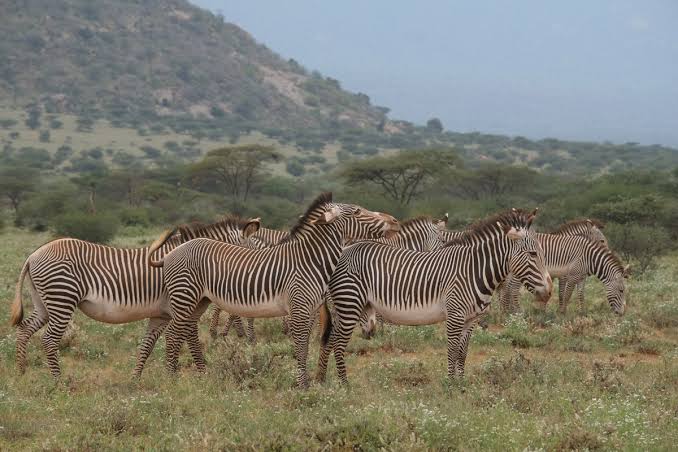
Samburu Special Five: Where to See All 5 in Kenya
The Samburu Special Five are five animals you will struggle to find anywhere else on a Kenya safari: the Grevy’s zebra, the reticulated giraffe, the Somali ostrich, the gerenuk and the Beisa oryx. All five are adapted to the hot, dry country north of the equator, and the best place to see them together is Samburu National Reserve, about five to six hours’ drive north of Nairobi. If you have already done the Masai Mara or Amboseli, this is the safari that shows you a completely different Kenya.
We guide in Samburu every season, both on dedicated northern trips like our Namunyak Safari and on longer routes such as the 14-day Tandala Safari, which pairs Samburu with Lake Baringo, Lake Nakuru and the Mara. This guide covers how to recognise each animal, where in the reserve to look, the best months to go and how many days you need to see all five.
Jump to: At a glance · Meet the five · Where to see them · Best time · How many days · Getting there · FAQs
The Samburu Special Five at a Glance
Here is how to tell the five apart, and where our guides usually find them.
| Animal | How to recognise it | Where to look |
|---|---|---|
| Grevy’s zebra | Narrow, tightly packed stripes, white belly, large rounded ears | Open grassland and near water in the dry season |
| Reticulated giraffe | Sharp, clean white lines forming a net pattern over deep orange patches | Acacia woodland along the Ewaso Ng’iro River |
| Somali ostrich | Males have blue-grey necks and legs instead of pink | Open, dry plains and scrub |
| Gerenuk | Very long neck; stands upright on its hind legs to feed | Thick dry bush and thornscrub |
| Beisa oryx | Long straight horns, black and white face markings | Open semi-desert, often in small herds |
Meet the Samburu Special Five
Each of these species has a narrow range, and several are under real pressure. Knowing a little about them makes every sighting count for more, and our guides on the 7-day Samburu route will point out the details below.
1. Grevy’s zebra
The Grevy’s zebra is the largest wild horse in the world, and it looks quite different from the plains zebra you see on a Masai Mara safari. The stripes are thinner and closer together, the belly is white, and the ears are big and round like a mule’s. It is also one of the rarest animals you can see on safari: only around 3,000 remain in the wild, and almost all of them live in northern Kenya. Conservation groups such as the Grevy’s Zebra Trust work with local communities to protect them. In the dry season they gather near the river and permanent water, which makes them much easier to find.
2. Reticulated giraffe
Many guests say this is the most beautiful giraffe in Africa. Its coat is a pattern of large orange-brown patches separated by bright, sharply drawn white lines, a little like a net. Compare it with the blotchy Masai giraffe you see in Amboseli and the difference is obvious. Reticulated giraffes browse the acacia trees along the Ewaso Ng’iro River, and it is common to see several together in the morning light.
3. Somali ostrich
At first glance it is just an ostrich, but look at the male’s neck and thighs. Instead of the pink skin of the common ostrich, the Somali ostrich is blue-grey, turning brighter in the breeding season. It prefers open, dry ground, so scan the plains between the river and the hills on your drives through Samburu National Reserve.
4. Gerenuk
The gerenuk is the one guests remember. This slender antelope has an extraordinarily long neck, and it feeds by standing upright on its back legs to reach leaves other browsers cannot. Its name comes from the Somali for “giraffe-necked.” Gerenuk rarely need to drink, getting most of their water from the plants they eat, so they can live far from the river in thick thornscrub. Ask your guide to slow down in dense bush; they are easy to miss.
5. Beisa oryx
The Beisa oryx is built for heat. Its long, straight horns and bold black and white face make it one of the most photogenic antelopes in Kenya. Herds of a few to a dozen animals move across the open, stony country, and they can go long periods without water. Early morning and late afternoon drives are the best times to catch them moving.
Where to See the Samburu Special Five
Samburu National Reserve sits on the north bank of the Ewaso Ng’iro River. Across the river lies Buffalo Springs National Reserve, and just to the east is Shaba National Reserve. The three share the same wildlife and together form the core area for seeing the Samburu Special Five.
- Samburu National Reserve: The riverbank is the heart of the action, with reticulated giraffe and Grevy’s zebra coming down to drink, elephants crossing and big cats resting in the shade. Most of our game drives start here.
- Buffalo Springs National Reserve: Flatter and more open, with good chances of oryx and Somali ostrich on the plains. It is easy to combine with Samburu in the same day.
- Shaba National Reserve: Wilder, rockier and quieter, with fewer vehicles. A good choice if you want gerenuk and oryx without company.
- Community conservancies: Much of northern Kenya’s wildlife lives outside the reserves, on land managed with local communities through groups like the Northern Rangelands Trust. Some lodges offer drives and walks on these conservancies.
Some of the five also appear further south. Ol Pejeta Conservancy on the Laikipia Plateau has Grevy’s zebra and reticulated giraffe, which is why our 7-day Samburu, Ol Pejeta, Lake Nakuru and Masai Mara safari gives you two chances at them. If you want all five on one trip, though, Samburu is where to put your nights.
Best Time to See the Samburu Special Five
Samburu is good all year, but the dry months make the five much easier to find, because animals gather along the Ewaso Ng’iro River when water elsewhere runs out.
- June to October: The long dry season and the most reliable time for sightings. It is also the busiest period for southern parks like the Masai Mara, so Samburu feels quieter by comparison.
- January and February: Hot, dry and excellent for wildlife along the river, with fewer visitors.
- March to May and November: The rains bring green landscapes, lower rates and newborn animals, but wildlife spreads out and some tracks get muddy.
For how Samburu fits with the rest of the country month by month, see our guide to the best time for a Kenya safari.
How Many Days Do You Need?
Plan on at least two nights. The drive from Nairobi takes most of the first day, so a single night leaves you with only one afternoon and one morning drive. With two full days you have four game drives, which gives you a very good chance of seeing all of the Samburu Special Five, plus time for the riverbank, the big cats and a cultural visit.
Three nights is better if you also want Shaba, a conservancy walk or a slower pace for photography. If you are short on time, our 7-day Masai Mara, Lake Nakuru, Aberdare and Samburu safari fits Samburu into a week alongside the classic southern parks. For budgeting, our Kenya safari cost guide explains how park fees and lodges add up.
Getting to Samburu
By road, Samburu is roughly 350 km north of Nairobi, a drive of about five to six hours via Nanyuki and Isiolo to Archers Post, the main gateway town. The road is tarmac most of the way, and the drive passes Mount Kenya on clear mornings. There are also scheduled light-aircraft flights from Nairobi to airstrips in and around the reserve, which turns a long drive into a short flight at extra cost.
Samburu sits naturally on a northern route. From here it is a few hours to Lake Baringo, where our Lake Baringo boat ride adds hippos, crocodiles and fish eagles to the trip, or south to Ol Pejeta and the Laikipia Plateau. If you want to see the north from the air, our helicopter safari flies over Samburu’s landscapes.
More Than the Five
The Samburu Special Five are the headline, but they are far from the only reason to come. Samburu has healthy elephant herds that wade through the river, and it is one of Kenya’s best places for leopard sightings. Lions and cheetahs hunt here too, and the birdlife is rich in dry-country species. The reserve is also home to the Samburu people, close cousins of the Maasai, and a village visit with a local guide is one of the most rewarding parts of a northern safari.
FAQ: Samburu Special Five
What are the Samburu Special Five?
They are five animals mainly found in the dry north of Kenya: the Grevy’s zebra, reticulated giraffe, Somali ostrich, gerenuk and Beisa oryx. Samburu National Reserve is the best place to see all five on one trip.
Can you see the Big Five in Samburu as well?
You can see four of them: lions, leopards, elephants and buffalo are all present, and Samburu is known for leopard sightings. Rhinos are not normally seen in the reserve, so pair Samburu with Ol Pejeta or Lake Nakuru if rhinos are on your list.
Is Samburu worth it if I have already been to the Masai Mara?
Yes. The landscapes, the wildlife and the culture are completely different, it is far quieter than the Mara, and the five species here are ones you will not see in the south. Many repeat guests tell us it was the highlight of their second safari.
How long does it take to drive from Nairobi to Samburu?
About five to six hours by road, via Nanyuki and Isiolo. Light-aircraft flights are also available if you want to save time.
Plan Your Samburu Safari
Tell us your dates, group size and what you most want to see, and we will build a northern Kenya itinerary around the Samburu Special Five, from a short Samburu stay to a full trip with Lake Baringo, Ol Pejeta and the Mara.
Request a quote · browse all our safaris · read guest reviews
Keep Reading
- Best Time for a Kenya Safari, Month by Month
- Kenya Safari Cost 2026: What You’ll Really Pay
- Lake Baringo Boat Ride: Hippos, Crocodiles and 470 Bird Species
Last updated October 2026. Wildlife sightings are never guaranteed, and park conditions change with the seasons, so we confirm the latest conditions with you before you travel.