
0%
Lake Nakuru Rhino Sanctuary: Where and How to See Black and White Rhinos
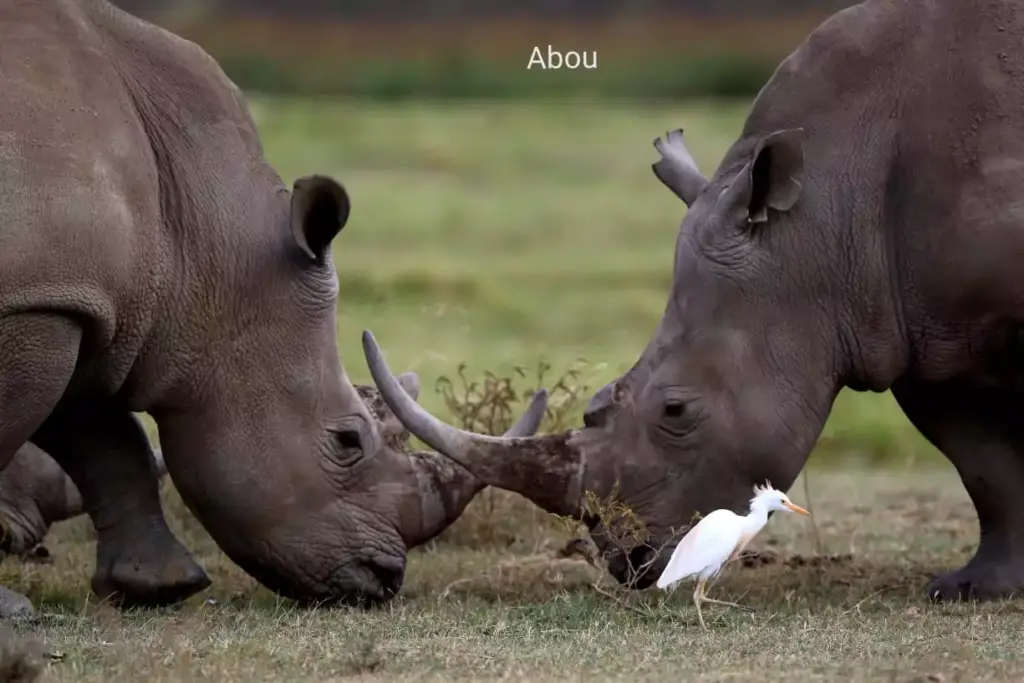
The Lake Nakuru rhino sanctuary is one of the best places in Kenya to see both black and white rhinos, and it is only about two and a half hours from Nairobi. The whole of Lake Nakuru National Park is fenced and protected as a rhino sanctuary, so on a good day you can see several rhinos on a single game drive, often grazing in the open with the lake behind them. This guide explains where to look, how to tell the two species apart, what it costs to get in, and how to plan your visit.
Jump to: Quick facts · History · Black vs white rhinos · Where to look · Fees · Planning your visit · FAQs
Lake Nakuru Rhino Sanctuary: Quick Facts
| Fact | Detail |
|---|---|
| Park size | About 188 km², fully fenced |
| Rhinos | Southern white rhinos and eastern black rhinos; estimates range from about 100 to 150 in total |
| Sanctuary since | First rhinos arrived in 1984; officially opened as a sanctuary in 1987 |
| Best areas | Southern grasslands for white rhinos; thickets and cliff slopes for black rhinos |
| Best time of day | Early morning and late afternoon |
| From Nairobi | About 160 km, 2.5 to 3 hours by road |
| Entry fee | USD 90 per non-resident adult; KSh 1,500 per East African citizen adult |
How Lake Nakuru Became a Rhino Sanctuary
In the 1970s and 1980s, poaching wiped out most of Kenya’s rhinos. Lake Nakuru, already a national park since 1968, was chosen as one of the first places to protect the survivors. The first rhinos arrived in 1984, an electric fence went up around the park in 1986, and the sanctuary officially opened in 1987 with more rhinos brought in from private ranches. Southern white rhinos were later added to the eastern black rhinos.
The fence keeps rhinos in and poachers out, and every animal is individually known and monitored. Kenya’s national rhino population has grown steadily since, reaching 2,282 in 2025, up from 2,102 at the end of 2024, according to K24 Digital. KWS does not publish exact counts for each park for security reasons, so treat any single figure for Lake Nakuru as an estimate.
Black Rhino vs White Rhino: How to Tell Them Apart
Despite their names, both rhinos are grey. The difference is in their shape and behaviour.
| White rhino | Black rhino | |
|---|---|---|
| Lip | Wide, square lip for grazing | Pointed, hooked lip for browsing |
| Head | Long head, usually held low to the ground | Shorter head, held higher |
| Size | Larger, with a pronounced hump on the neck | Smaller and more compact |
| Habitat | Open grassland | Thick bush and woodland |
| Behaviour | Calmer, often in small groups | Shy, mostly solitary, more unpredictable |
| How easy to see | Seen on most game drives | A real prize; needs patience and luck |
The name “white” is often said to come from a mistranslation of a word meaning “wide”, after the white rhino’s broad mouth.
Where to See Rhinos in Lake Nakuru
- The southern grasslands and Naishi plains: The most reliable area for white rhinos, which graze in the open in small groups.
- The lakeshore grasslands: White rhinos and buffalo often feed on the open ground near the water, especially early in the day.
- Thickets and the slopes below the cliffs: Where black rhinos browse. Drive slowly and scan the edges of the bush.
- Baboon Cliff and Lion Hill viewpoints: Not rhino spots as such, but superb places to scan the park with binoculars. Keep your windows closed at Baboon Cliff, where baboons grab food from vehicles.
- Makalia Falls: In the far south, a quiet area with good bush for black rhinos and a beautiful waterfall after the rains.
Some low-lying tracks near the lake can be impassable after heavy rain, so your guide will choose the route on the day.
Tips for Visiting the Lake Nakuru Rhino Sanctuary
- Enter early. Rhinos are most active and easiest to find in the cool of the morning.
- Stay for a full day if you can. Your chances of seeing a black rhino improve with time.
- Ask other guides. Drivers share sightings by radio, which is often how black rhinos are found.
- Keep your distance and stay quiet. Never leave the vehicle, and switch off the engine when you stop.
- Bring binoculars. Rhinos in thick bush are easy to miss without them.
- No drones. Flying a drone in a national park needs a KWS permit.
More Than Rhinos
Lake Nakuru is home to Rothschild’s giraffes, lions that sometimes climb trees, leopards, buffalo, waterbuck and more than 400 bird species. The famous pink flamingo crowds are smaller than they once were because rising water has diluted the lake’s alkaline water, and many birds have moved to lakes such as Lake Bogoria. You can still see flamingos and pelicans along the shore in many months. If you are choosing between the southern Rift Valley lakes, read Lake Nakuru vs Lake Naivasha.
Lake Nakuru Entry Fees
Lake Nakuru is one of Kenya Wildlife Service’s two premium parks, alongside Amboseli. These are the fees KWS currently charges per person per day:
| Visitor | Adult | Child |
|---|---|---|
| Non-resident | USD 90 | USD 45 |
| African citizen (non-EAC) | USD 50 | USD 25 |
| Kenya resident | KSh 2,025 | KSh 1,050 |
| East African citizen | KSh 1,500 | KSh 750 |
- Payment: Cashless only, through eCitizen or KWSPay. Pay before you reach the gate if you can.
- Vehicle fees: Charged on top, from about KSh 600 a day for a vehicle with fewer than 6 seats.
- Note: KWS raised its fees in October 2025, and a court case over the increase is still running. The rates above are what KWS is charging, but check before you travel. We confirm the current figures in every quote.
Planning Your Visit
Getting there
Lake Nakuru is about 160 km from Nairobi on the A104, a drive of 2.5 to 3 hours. Leave early to beat traffic around Limuru. Entering through Lanet Gate avoids Nakuru town.
Day trip or overnight?
A day trip works well if your time is short. Our Lake Nakuru day trip leaves Nairobi early so you are in the park for the best morning hours. An overnight stay gives you sunset and sunrise drives, which are the best times for rhinos and big cats. Lodges inside or near the park include Sarova Lion Hill, Lake Nakuru Sopa Lodge and Flamingo Hill Tented Camp.
Combine it with a longer safari
- 4-day Masai Mara and Lake Nakuru safari: Rhinos at Nakuru, then the Big Five and the Great Migration in the Mara. See our Masai Mara entry fees guide for costs.
- 7-day Samburu, Ol Pejeta, Lake Nakuru and Masai Mara safari: Two rhino strongholds in one trip.
- Tandala Safari: 14 days from the Rift Valley lakes to the north and the Mara.
Other Places to See Rhinos in Kenya
- Ol Pejeta Conservancy: Home to East Africa’s largest black rhino population.
- Nairobi National Park: Rhinos with the city skyline behind them. Try our Nairobi day trip.
- Tsavo West: Its rhino sanctuary was expanded in December 2025.
- Masai Mara: A small population of about 54 rhinos, counted in the 2025 national wildlife census.
Planning the budget? Our Kenya safari cost guide and best time for a Kenya safari guide will help.
FAQ: Lake Nakuru Rhino Sanctuary
Are there rhinos in Lake Nakuru?
Yes. Lake Nakuru National Park is a fenced rhino sanctuary with both southern white rhinos and eastern black rhinos. White rhinos are seen on most game drives.
How many rhinos are in Lake Nakuru National Park?
KWS does not publish exact figures for security reasons. Estimates range from about 100 to 150 rhinos, mostly white rhinos with a smaller number of black rhinos.
Where is the best place to see rhinos in Lake Nakuru?
White rhinos graze on the open southern grasslands and near the lakeshore. Black rhinos browse in thickets and on the slopes below the cliffs, especially early and late in the day.
When did Lake Nakuru become a rhino sanctuary?
The first rhinos arrived in 1984, the park was fenced in 1986, and the sanctuary officially opened in 1987.
How much is the Lake Nakuru entry fee?
USD 90 per non-resident adult and USD 45 per child. Kenya residents pay KSh 2,025 and East African citizens KSh 1,500 per adult. Payment is cashless through eCitizen or KWSPay.
Can I visit Lake Nakuru as a day trip from Nairobi?
Yes. The park is about 2.5 to 3 hours from Nairobi, so a day trip gives you around five hours of game driving. Stay overnight for the best chance of a black rhino.
See Lake Nakuru’s Rhinos With Us
Join our Lake Nakuru day trip from Nairobi, or add Nakuru to a longer safari. Tell us your dates and group size and we will send you one clear price.
See the Lake Nakuru day trip · request a quote · read guest reviews