
0%
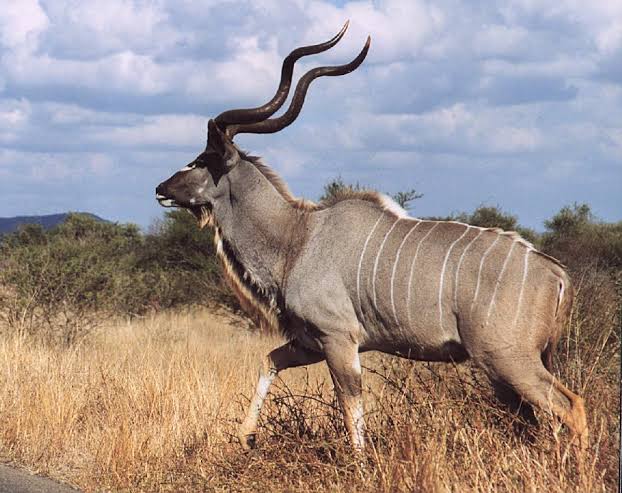
What Is a Tandala? Kenya’s Greater and Lesser Kudu Explained
A tandala is the Swahili name for the kudu, one of Africa’s most beautiful antelopes. Kenya has two kinds: the tandala mkubwa, or greater kudu, and the tandala mdogo, or lesser kudu. Both have elegant white stripes and, in the males, long spiralling horns, and both are shy animals that most visitors never see. If you have searched for the tandala animal, this guide explains what it is, how to tell the two apart, and the best places in Kenya to find one. It is also the animal our 14-day Tandala Safari is named after.
Jump to: At a glance · Greater kudu · Lesser kudu · Where to see one · Spotting tips · FAQs
The Tandala Animal at a Glance
| Tandala mkubwa (greater kudu) | Tandala mdogo (lesser kudu) | |
|---|---|---|
| Scientific name | Tragelaphus strepsiceros | Tragelaphus imberbis |
| Shoulder height (male) | About 1.6 m | About 1 m |
| Weight (male) | 190 to 270 kg | 90 to 110 kg |
| White body stripes | 4 to 12, widely spaced | 11 to 15, closer together |
| Horns (males only) | About 1.2 m along the curve, 2.5 twists | 50 to 70 cm, 2 to 2.5 twists |
| Conservation status | Least Concern, but declining in the north | Near Threatened |
| Best place in Kenya | Lake Bogoria | Tsavo, Samburu and Meru |
Why Is It Called a Tandala?
“Tandala” is simply the Swahili word for kudu. Swahili adds mkubwa (big) and mdogo (small) to tell the two species apart, so you will hear Kenyan guides call out “tandala mkubwa” for a greater kudu and “tandala mdogo” for a lesser kudu. The English name “kudu” comes from the Khoikhoi language of southern Africa. Both kudus belong to the spiral-horned antelope family, which also includes the eland, bushbuck and nyala.
Tandala Mkubwa: The Greater Kudu
The greater kudu is one of the tallest antelopes in Africa. A mature bull stands about 1.6 metres at the shoulder and can weigh up to 270 kg, with a fringe of hair under the throat and magnificent corkscrew horns. The horns start growing at around one year old, make their first full turn at about two, and reach two and a half twists by about six. Measured along the spiral, they average around 1.2 metres.
- Colour: Grey-brown to reddish-brown, with thin white stripes down the body and a white chevron between the eyes.
- Females: Smaller, hornless and redder, usually in small groups with their young.
- Diet: Leaves, shoots and herbs, plus fruit and the occasional root or tuber.
- Behaviour: Feeds mainly in the early morning and late afternoon and rests in thick cover in the heat. When alarmed it often freezes, which makes it almost invisible, before bounding away over bushes.
- Predators: Lions, leopards, spotted hyenas, wild dogs and cheetahs.
Across Africa the greater kudu is listed as Least Concern, but the northern populations, including Kenya’s, have declined because of hunting and habitat loss.
Tandala Mdogo: The Lesser Kudu
The lesser kudu is a smaller, more delicate antelope found only in the dry bush of East Africa and the Horn of Africa. Males stand about a metre tall and weigh around 90 to 110 kg. Their horns are shorter, reaching 50 to 70 cm with two to two and a half twists.
- How to tell it apart: More stripes, usually 11 to 15, two white patches on the throat and chest, and no throat fringe.
- Behaviour: Very shy. It browses at dawn and dusk, gives a sharp bark when disturbed and can leap about two metres to escape.
- Status: Listed as Near Threatened, with a population estimated at about 118,000 and falling.
Greater Kudu vs Lesser Kudu: How to Tell Them Apart
- Size: A greater kudu bull is about 60 cm taller and more than twice as heavy.
- Stripes: Greater kudu have fewer, widely spaced stripes; lesser kudu have more, closer together.
- Throat: Greater kudu bulls have a fringe of hair under the neck; lesser kudu have two bold white throat patches instead.
- Horns: Greater kudu horns are much longer and more open in their spiral.
- Habitat: Greater kudu prefer hilly, rocky bush; lesser kudu prefer dense, flat thornscrub.
Where to See a Tandala in Kenya
- Lake Bogoria National Reserve (greater kudu): The best-known place in Kenya for the tandala mkubwa. Lake Bogoria is the main stronghold in Baringo County, and three community conservancies around it, Kiborgoch, Tuine and Irong, cover about 10,000 hectares of kudu habitat. A local group, Friends of Nature Bogoria, monitors the kudu with support from Nature Kenya. See our Lake Bogoria entrance fees guide before you visit.
- Tsavo East and Tsavo West (lesser kudu): The thick commiphora bush of Tsavo is classic lesser kudu country. Our 4-day Amboseli and Tsavo safari covers both parks.
- Samburu, Buffalo Springs and Shaba (lesser kudu): Look in the dry bush away from the river. Samburu also has the Samburu Special Five, including the gerenuk, which is often seen in the same habitat.
- Meru National Park (lesser kudu): Quiet and wild, with few vehicles and good bush for shy browsers.
Tips for Spotting a Tandala
- Go early or late. Kudu feed at dawn and dusk and hide in cover during the heat of the day.
- Look for ears and stripes, not whole animals. A kudu standing still in the bush often shows only its large rounded ears or a few white stripes.
- Drive slowly through thick bush. Most sightings are brief glimpses from a slow-moving vehicle.
- Listen for the bark. A sharp, gruff bark often means a kudu has seen you first.
- Use an experienced guide. Guides know the thickets and hillsides where kudu are regularly seen.
- Treat it as a bonus. Even in the best areas, a kudu sighting is never guaranteed, which is part of what makes it special.
Threats and Conservation
Both kudus are threatened mainly by habitat loss and hunting. At Lake Bogoria, kudu horns have traditionally been used in ceremonies, so the local community now promotes carved wooden replica horns as a substitute. Community conservancies across northern Kenya are helping by protecting habitat and employing local scouts. Choosing a safari that visits community-run areas puts money directly into this work.
Our Tandala Safari
We named our longest itinerary after this shy, striking antelope. The 14-day Tandala Safari travels through the parts of Kenya where you have your best chances at both kudus, including the Rift Valley lakes near Lake Bogoria and the dry north around Samburu, before heading south to Lake Nakuru and the Masai Mara. Along the way you can add a Lake Baringo boat ride. For timing and budget, see our best time for a Kenya safari and Kenya safari cost guides.
FAQ: The Tandala Animal
What is a tandala?
Tandala is the Swahili name for the kudu, a large spiral-horned antelope. The greater kudu is called tandala mkubwa and the lesser kudu tandala mdogo.
What is the difference between a greater and lesser kudu?
The greater kudu is much larger, with fewer body stripes, a throat fringe and longer horns. The lesser kudu is smaller, with 11 to 15 stripes and two white patches on its throat.
Where can I see a tandala in Kenya?
Lake Bogoria National Reserve is the best place for the greater kudu. Lesser kudu are found in Tsavo East and West, Samburu, Buffalo Springs, Shaba and Meru.
Is the tandala endangered?
The greater kudu is listed as Least Concern globally, though it has declined in northern Africa and Kenya. The lesser kudu is listed as Near Threatened.
What does a tandala eat?
Kudu are browsers. They eat leaves, shoots, herbs and fruit, and get much of their water from the plants they eat.
Why is the Abou Safaris tour called the Tandala Safari?
Our 14-day Tandala Safari is named after the kudu, and its route passes through areas of Kenya where both the greater and lesser kudu live, from the Rift Valley lakes to the dry north.
Go Looking for the Tandala With Us
Tell us your dates and group size, and we will plan a route through kudu country with experienced guides, from Lake Bogoria to Samburu and Tsavo.
See the Tandala Safari · request a quote · read guest reviews